Reviewed by Allen Lee, Founder · Last updated July 2026
Golden retriever insurance in Texas runs about $42/mo ($504/yr), less than one heat stroke bill. Compare 2026 plans, waiting periods and vet costs.
Quick answer: golden retriever insurance in Texas
Golden retriever premiums in Texas average $42/month ($504/year) on a mid-tier plan. The top claim driver is heat stroke, then heartworm, amplified by varied (humid to arid) conditions. Enroll before the first vet visit to avoid pre-existing exclusions.
Last reviewed: by Allen Lee, editor.
Average cost: $42/month for golden retriever pet insurance in Texas.
Golden Retriever Insurance Costs in Texas: 2026 Numbers
The average Golden Retriever policy in Texas runs $44/month. Quotes range from $34/month in the least-expensive markets to $58/month in Austin.
Texas veterinary pricing sits close to the national median statewide, but the spread within Texas is unusually wide. Austin and central Houston push premiums up because specialty-hospital density is high and cost-of-living has climbed sharply. Rural East and West Texas markets remain among the least expensive in the country. Heat stroke, snake bites, and heartworm all raise claim frequency, which insurers offset with slightly higher deductibles by default in Texas.
Bottom line: most Golden owners in Texas pay $34–$58/month for $500 deductible, 90% reimbursement, $10K–$30K annual cap.
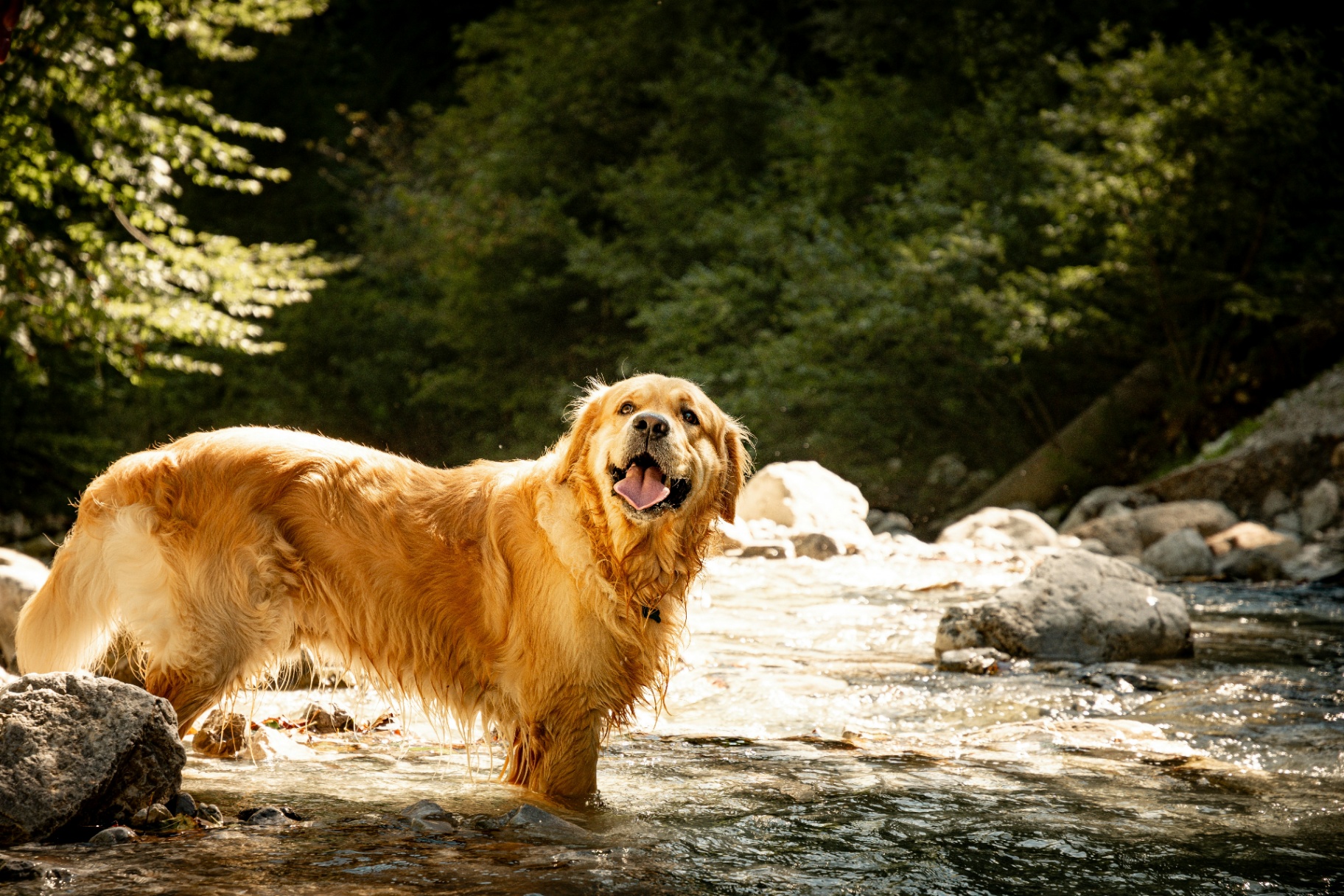
Golden Retriever wading in a mountain river, forested river bend.
Top 3 Pet Insurance Carriers for Golden Retrievers in Texas
Trupanion, $42–$62/month
Plan documents describe an unlimited annual payout and direct vet pay at Texas A&M's teaching hospital and several Dallas/Houston specialty groups. In our review it scored well for owners worried about lymphoma or hemangiosarcoma, since its documents describe an unlimited payout option rather than the $10K-style annual ceilings several competitors list. Plan terms differ by plan and state and can change.
Lemonade, $28–$44/month
Usually the lowest-priced option for a healthy young Golden anywhere in Texas. Claims processed in the app, often in 24–48 hours. Coverage doesn't include exam fees on the base plan, add the exam-fee rider if you use ER hospitals often.
Embrace, $36–$54/month
Diminishing deductible ($50 off per claim-free year), no per-condition payout cap on the plans we reviewed, and its materials describe Wellness Rewards as reimbursing routine heartworm prevention, meaningful in Texas where heartworm prevalence is among the highest in the country.
Prices vary by age, health, ZIP, and plan tier. Estimates current as of July 2026.
Carrier information: Carrier details reflect each company's published documents as of July 2026 and may have changed. Rankings and labels are our opinion; figures are estimates, not quotes. We are not affiliated with or endorsed by any carrier. How we compare carriers.
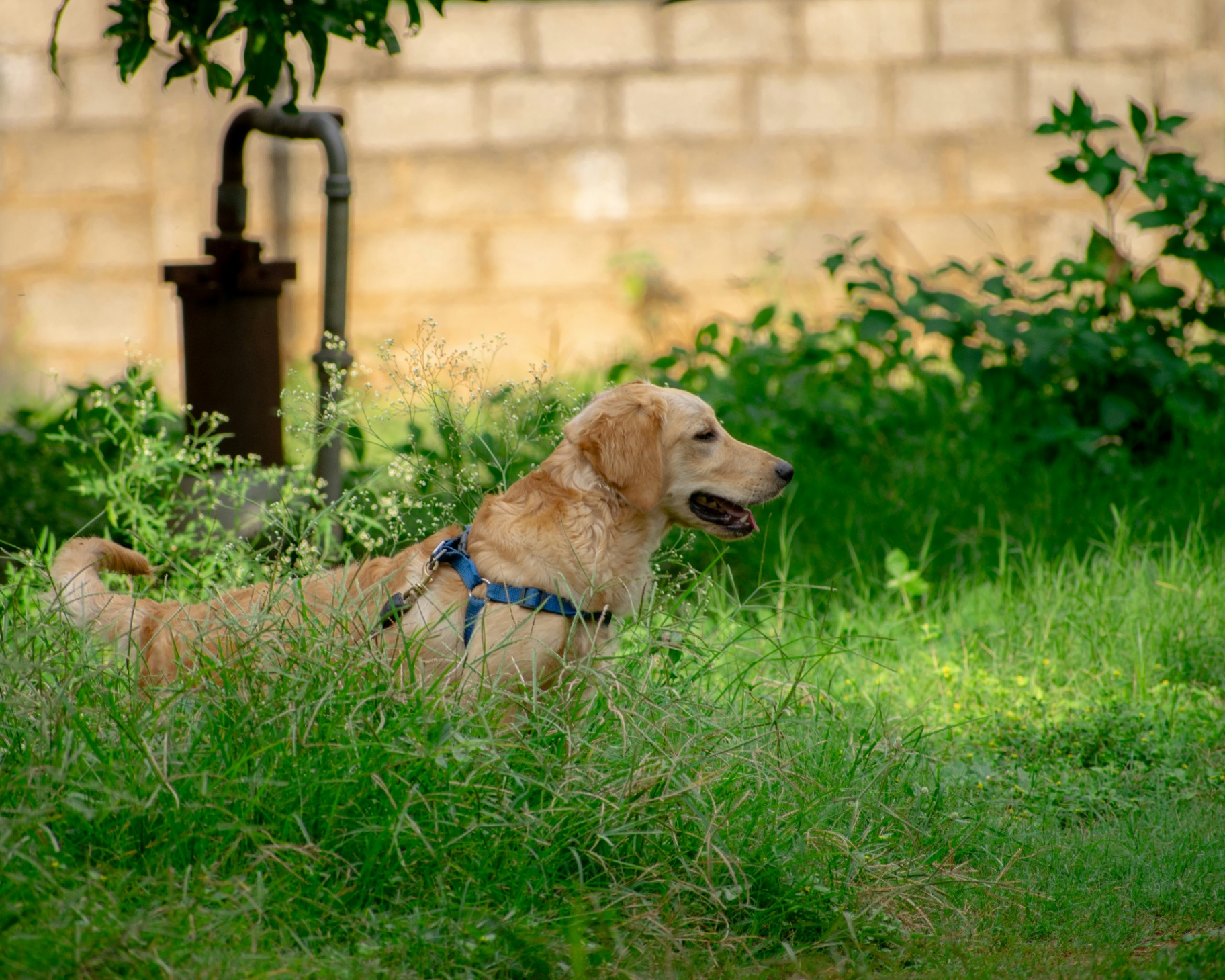
Golden Retriever as a puppy exploring a garden, shaded backyard garden.
Top 5 Health & Safety Risks for Golden Retrievers in Texas
Heat stroke ($1,000–$5,000 emergency cooling + hospitalization), Summer highs regularly exceed 100°F across most of Texas from June through September, with Houston and the Rio Grande Valley layering brutal humidity on top. Goldens' double coat and drive to fetch make them the archetypal heat-stroke breed, most ER admissions arrive in the afternoon after backyard play.
Rattlesnake and copperhead bites ($1,500–$5,000 emergency + antivenom), Western diamondback, prairie, and timber rattlesnakes plus copperheads range across nearly all of Texas. Bites peak March–October. Antivenom is expensive and often requires multiple vials. Face and front-leg bites are the most common presentation in Goldens.
Heartworm disease ($1,000–$1,800 for full treatment), Texas has one of the highest heartworm prevalence rates in the U.S., Gulf Coast counties are especially heavy. Year-round prevention is standard practice. Treatment for an infected adult Golden is a 3-shot melarsomine protocol plus months of exercise restriction.
Grass awns and stickers (grass burrs) ($600–$2,000 per extraction), Sandbur, foxtail, and other seed awns embed in paws, ears, and skin across Central and West Texas rangeland. Extraction under sedation is routine but the nasal or ear-canal cases add up fast.
Hurricane and flood displacement stress + injuries ($400–$3,000 per event), Gulf Coast Goldens face repeat exposure to hurricane evacuations. Paw injuries from debris and flood-water contamination are the most common insurance claims after a named storm. Boarding while displaced is typically not covered, ask specifically.
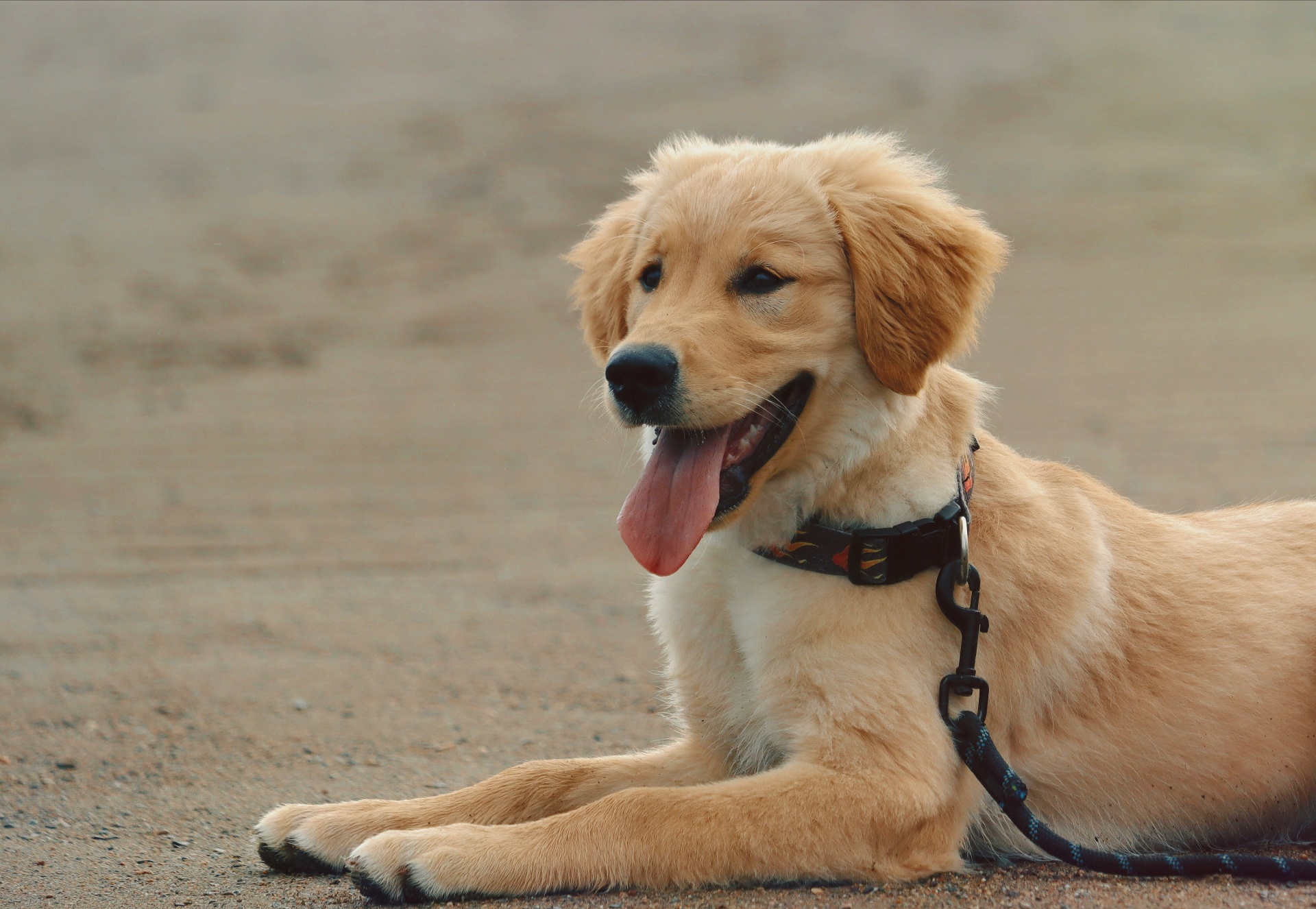
Golden Retriever smiling on a harness and leash, sunlit sandy path.
Vet Schools, Licensing & Local Regulations in Texas
Teaching hospitals and referral centers
Texas A&M College of Veterinary Medicine & Biomedical Sciences, College Station, TX · (979) 845-2351 · Oncology, cardiology, orthopedics, internal medicine
Texas Tech School of Veterinary Medicine, Amarillo, TX · TODO: verify · General practice, rural/large animal focus
BSL status: Texas prohibits municipalities from passing breed-specific legislation (Health & Safety Code §822). No Texas city can restrict or ban Goldens or any other specific breed by name.
Licensing fees: Set by city, not the state. Austin: $10/yr (altered) / $30/yr (unaltered). Houston: $20/yr (altered) / $60/yr (unaltered). Dallas: $7/yr (altered) / $30/yr (unaltered). Rabies vaccination is required statewide before licensing.
Leash law: Enforced at the municipal level. All major Texas metros require leashes on public property. Off-leash is legal only in designated dog parks.
Insurance-specific: Texas does not have a state-level pet-insurance disclosure law, so quote comparability is lower here than in California. Read the exclusion list carefully, heartworm coverage in particular is inconsistent between carriers.
Frequently Asked Questions
Does pet insurance cover Heat stroke in Texas?
Most comprehensive pet insurance plans cover heat stroke treatment in Texas after the standard 14-day illness waiting period. The key exception: heartworm prevention is not covered (routine preventive), but heartworm treatment is typically covered by plans like Lemonade and Embrace once the dog is enrolled. For ongoing conditions, look for a plan without a per-condition payout cap. Based on the plan documents we reviewed, Trupanion's unlimited annual payout option and Embrace's diminishing deductible are two structures worth comparing for recurring treatment costs in Texas, confirm current terms with each carrier.
Is Trupanion worth it for Golden Retrievers in Texas?
Trupanion can be a reasonable fit for many Texas Golden Retrievers, especially if you're worried about cancer (chemotherapy that can run $10K+, on a plan with an unlimited annual payout option), heat stroke, or rattlesnake and copperhead bites, coverage depends on the plan you buy. Direct vet pay at Texas A&M College of Veterinary Medicine & Biomedical Sciences and Texas Tech School of Veterinary Medicine means less out-of-pocket at the largest Texas specialty hospitals. Trupanion may not be the right choice if your Golden is a senior (12+) with pre-existing conditions, Lemonade can be a better fit for older enrollments.
A note from me, Allen: Texas has the widest spread after California. Houston and Austin specialty pricing sits well above what clinics in smaller cities charge, so I've deliberately kept the ranges wide. Heat-season emergencies are a constant theme in the condition data, which is why that planning section is near the top.
Legal disclaimer & advertising disclosure
GoldenRetrieverInsurance.com is an independent informational website, not an insurance company, agent, or broker. This Texas guide is general information, not insurance, veterinary, financial, or legal advice, and any costs shown are illustrative estimates, not quotes or guarantees of coverage. Terms vary by insurer, policy, and state, so review your own policy documents before deciding. Our research and comparisons are informational and non-binding.
Advertising disclosure: some links are affiliate links and we may earn a commission at no cost to you, which never influences our editorial conclusions. See our editorial policy and full disclaimer.