Living With Hip Dysplasia in a Golden Retriever: Care, Costs & Outlook
The 20% number and what it actually means
OFA (Orthopedic Foundation for Animals) screening of over 100,000 golden retrievers shows roughly 20% receive a dysplastic hip rating, but the clinical picture is nuanced. Many mildly dysplastic dogs remain symptom-free their entire lives; others with mild radiographic changes develop debilitating arthritis by age 5. Environmental factors compound the genetic base rate, puppyhood weight, growth rate, and exercise pattern can shift a borderline dog into either category. This is why the actionable question isn't 'will my golden get dysplasia' but 'am I insured before the first symptom'.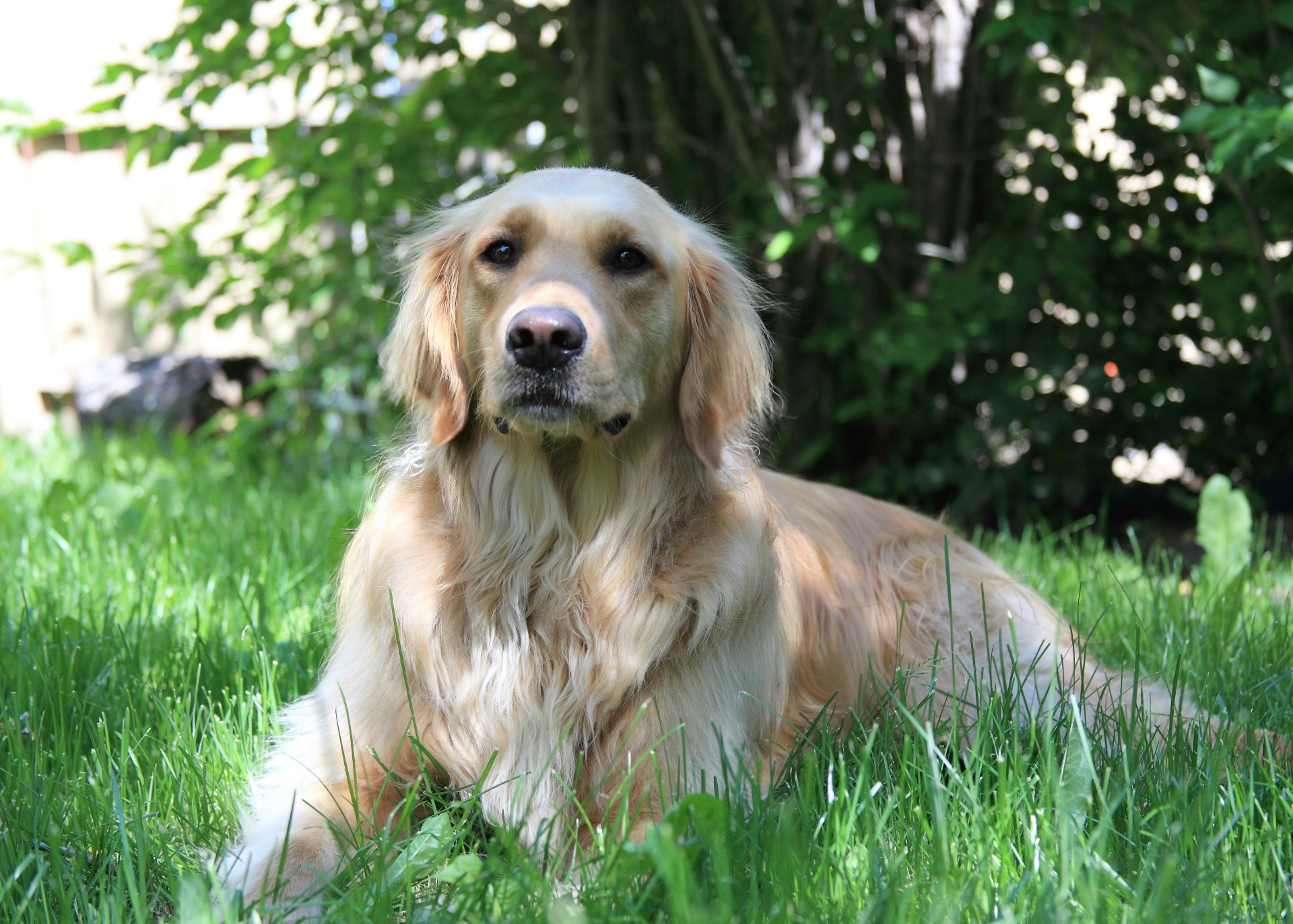
Treatment options and real cost brackets
Options escalate with severity: (1) conservative management, weight control, physical therapy, joint supplements, NSAIDs, runs $800–$2,000/year and works for mild cases; (2) FHO (femoral head ostectomy) removes the ball of the femur and lets a fibrous 'false joint' form, $2,500–$4,500 per side, good outcome for smaller/lighter dogs; (3) THR (total hip replacement) surgically replaces the entire joint with implants, $6,000–$8,500 per side, gold-standard for young/active large dogs; (4) TPO (triple pelvic osteotomy) is a puppy-window procedure ($4,500–$6,500) that reshapes the pelvis to prevent progression, only viable before 10 months.The insurance mechanics that determine reimbursement
Three policy features decide whether hip dysplasia is actually covered when the claim hits: (1) orthopedic waiting period, 6 months at Embrace/Pets Best/Lemonade, 12 months at Healthy Paws, and 14 days at Spot/ASPCA, waivable at Embrace and Pets Best with a signed ortho exam within 14 days of enrollment; (2) hereditary/congenital condition rider, most modern plans include it by default, but a few older policies still exclude 'genetic' conditions entirely; (3) bilateral limits, some carriers cap payouts for the same condition on both sides at 1.5× a single claim. Confirm all three in writing before the enrollment period closes.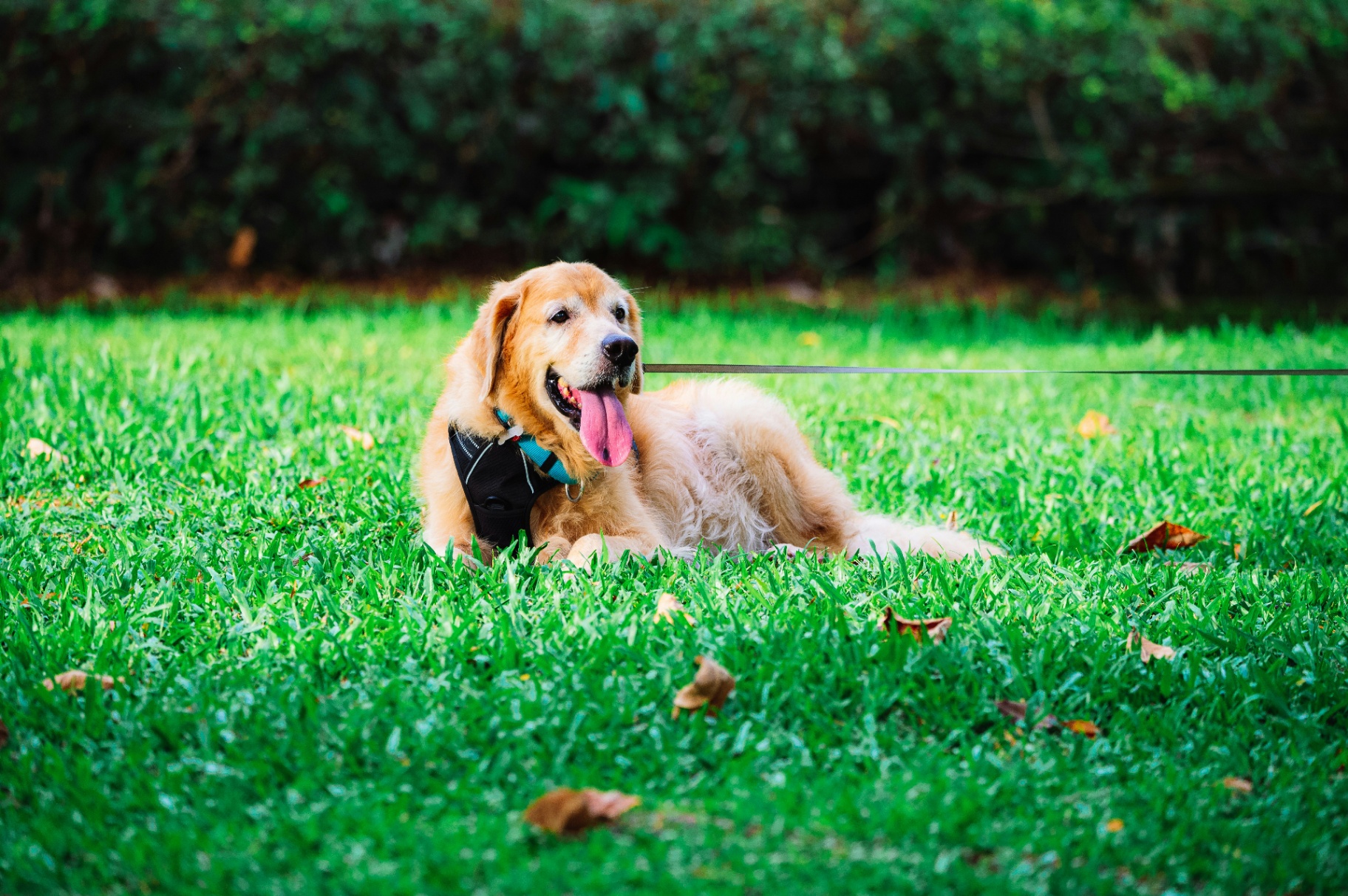
Prevention levers that also help your premium math
You can't out-manage a genetic predisposition, but three levers meaningfully reduce risk: keep the puppy lean through 18 months (the single strongest environmental factor per Purdue's cohort study), avoid repetitive high-impact exercise before growth plates close, and delay spay/neuter until 12–18 months per current AKC/UC Davis breed-specific guidance (early gonadectomy correlates with higher joint disease in large breeds). None of these reduce your premium directly, but all three reduce the odds of triggering a five-figure claim.What the OFA hip score actually predicts
The OFA grades hips on a seven-point scale: Excellent, Good, Fair, Borderline, Mild dysplasia, Moderate, Severe. The nuance most owners miss is that Fair is a passing grade, it doesn't mean your dog is heading for surgery. OFA's own breed statistics put golden retriever dysplasia (Mild/Moderate/Severe combined) at roughly 20%, unchanged for two decades despite screening. Genetics is only half the story: the Purdue University Comparative Oncology Program's growth studies show puppyhood weight gain above the AKC-standard breed curve roughly doubles the risk of clinical dysplasia in genetically susceptible dogs. Two takeaways for owners: (1) if your breeder shows you both parents' OFA certificates rated Fair or better, your risk is meaningfully below the breed baseline, but not zero; (2) the modifiable levers (lean body condition score of 4/9, no forced running before 14 months, no repeated jumping off furniture in the first year) genuinely move the needle. That's why our
Rehab, not surgery, is where insurance often decides outcome
Everyone shops for the surgical reimbursement. Almost nobody shops for the rehab reimbursement, and that's where recovery quality actually gets decided. The ACVS Small Animal Surgery guidelines are explicit: post-TPLO functional outcome correlates more strongly with the first 12 weeks of structured rehab than with the surgical technique itself. Hydrotherapy runs $75–$150 per session, laser therapy $50–$100, and a full 12-week course of underwater treadmill plus PT will land at $1,800–$3,600 depending on region. Only about half of mainstream carriers cover this out of the box; the rest require a "rehabilitation rider" that adds $4–$9 to monthly premium. On a $6,000 TPLO with $2,800 of rehab, the difference between a rider-included plan and a bare accident-illness plan is roughly $2,200 in real-dollar reimbursement, which usually exceeds the entire annual cost of adding the rider. When you're pressure-testing quotes, force the agent to answer: "Is prescribed post-surgical rehabilitation covered at the same reimbursement percentage as the surgery itself?" If the answer is "covered under supplemental wellness," that's a no. If it's "covered under the illness policy at 80%," that's a yes. Cross-reference against our
Breed-specific cost drivers for golden retrievers
Every insurance and cost decision for a golden retriever should be filtered through four breed-specific risk factors that underwriters already price in and that owners should plan around when evaluating living with hip dysplasia in a golden retriever: care, costs & outlook:
- Cancer risk near 60% lifetime, the highest of any AKC-registered breed per the Morris Animal Foundation Golden Retriever Lifetime Study. Hemangiosarcoma, lymphoma, mast cell tumors, and osteosarcoma dominate. Treatment courses commonly run $8,000–$15,000, making annual payout caps under $10,000 functionally inadequate for the breed.
- Hip and elbow dysplasia at roughly 20% per OFA screening data. Environmental factors (puppyhood weight, growth-plate-era exercise pattern) modulate the genetic base rate. Surgical treatment ranges from FHO at $3,500 to bilateral total hip replacement at $12,000–$17,000.
- Bloat / GDV risk elevated by deep-chest anatomy, roughly 5% lifetime incidence. Surgical correction plus 3–5 day ICU stay averages $4,000–$8,000 and is nearly always emergency care with no scheduling flexibility.
- Atopic dermatitis and allergies at 2.3× the canine average. Chronic condition with lifelong management cost of $500–$3,000/year in well-controlled cases. The highest-frequency pre-existing exclusion category for the breed when owners delay enrollment.
The value calculation
The break-even point for pet insurance on a golden retriever sits at roughly $850–$1,100 in annual vet spend on a mainstream comprehensive plan. Given the four risk factors above, most goldens cross that break-even line at least twice in a 12-year lifetime, and often generate a single-event claim (cruciate repair, cancer treatment, or hip surgery) that alone exceeds three years of premium. The actuarial math genuinely favors insured owners for this breed, which is why most major carriers applies a breed-loading factor to golden retriever policies rather than declining to cover the breed.
Whichever specific insurance and care decisions you make, run them against the actual claim distribution rather than a hypothetical average: cancer alone accounts for roughly 40% of golden retriever mortality, orthopedic conditions generate the highest claim frequency, and chronic allergies produce the largest number of recurring low-dollar claims. A plan that handles all three well is the baseline; anything less is functionally under-coverage for the breed.
People also ask
At what age do golden retrievers show signs of hip dysplasia?
Symptoms most commonly appear between 4–12 months (early-onset) or after age 4 as arthritis develops (late-onset). Both windows land inside or just after the standard 6–12 month orthopedic waiting period, which is why enrolling as a young puppy is so important for this breed.How much does hip dysplasia surgery cost for a golden retriever?
FHO runs $2,500–$4,500 per side, total hip replacement $6,000–$8,500 per side, and TPO (puppy-only) $4,500–$6,500. Bilateral THR, needed in roughly 30% of surgical cases, can total $12,000–$17,000 before rehab.Which pet insurance typically covers hip dysplasia in golden retrievers?
All eight major carriers we track cover hip dysplasia under a comprehensive plan when it's not pre-existing. Per the policy documents we reviewed at the time of writing, waiting periods differ significantly: Spot and ASPCA start ortho coverage at 14 days, Embrace and Pets Best at 6 months (waivable), Healthy Paws at 12 months.Can I get insurance for a golden retriever already diagnosed with hip dysplasia?
You can get a policy, but hip dysplasia is typically excluded for the life of the policy as a pre-existing condition at most carriers. New unrelated issues (skin, ears, GI, cancer) typically remain covered. This is why enrollment before symptoms is worth prioritizing.Does keeping my golden retriever lean prevent hip dysplasia?
It doesn't prevent the genetic condition, but it significantly reduces the severity and delays onset of arthritis. Purdue's long-term study showed lean-fed goldens developed clinical hip issues roughly 2 years later than free-fed littermates and required fewer surgical interventions.Related articles
- Golden Retriever Insurance Cost by Age: Puppy to Senior
- My Golden Retriever Already Limps: Can I Still Get Insurance?
- Best Pet Insurance for a Golden Retriever Puppy (2026)
- Golden Retriever Hip Dysplasia Surgery Cost: The 2026 Reality Check
- The Real Cost of Cancer Treatment for Golden Retrievers: A Founder's Guide
Golden retriever insurance by state
Tools & resources
Legal disclaimer & advertising disclosure
This article is general information, not insurance, veterinary, financial, or legal advice. Costs and reimbursement examples are illustrative estimates, not quotes or guarantees of coverage, and terms vary by insurer, policy, and state. Review your own policy documents before deciding. We are not an insurer or a licensed insurance agency, and our research is non-binding.
Advertising disclosure: some links are affiliate links and we may earn a commission at no cost to you, which never influences our editorial conclusions. See our editorial policy and full disclaimer.