Golden Retriever Exercise Injuries: Prevention & Coverage
The five injuries that dominate golden retriever ER visits from activity
Ranked by claim frequency across major insurer data: (1) cranial cruciate ligament (CCL) tear, the canine equivalent of a torn ACL, typically requires TPLO or TTA surgery at $4,500–$6,500 per side, bilateral within 18 months in ~40% of cases; (2) soft-tissue strain, muscle, ligament, tendon inflammation, $200–$800 for exam + NSAIDs + rest protocol; (3) swimmer's ear (otitis externa from moisture), $150–$400 per infection, recurrent in dogs that swim frequently; (4) heat exhaustion/heatstroke, $1,500–$6,000 depending on severity, life-threatening above core temp 106°F; (5) pad injuries and dewclaw tears, $200–$800 depending on infection risk.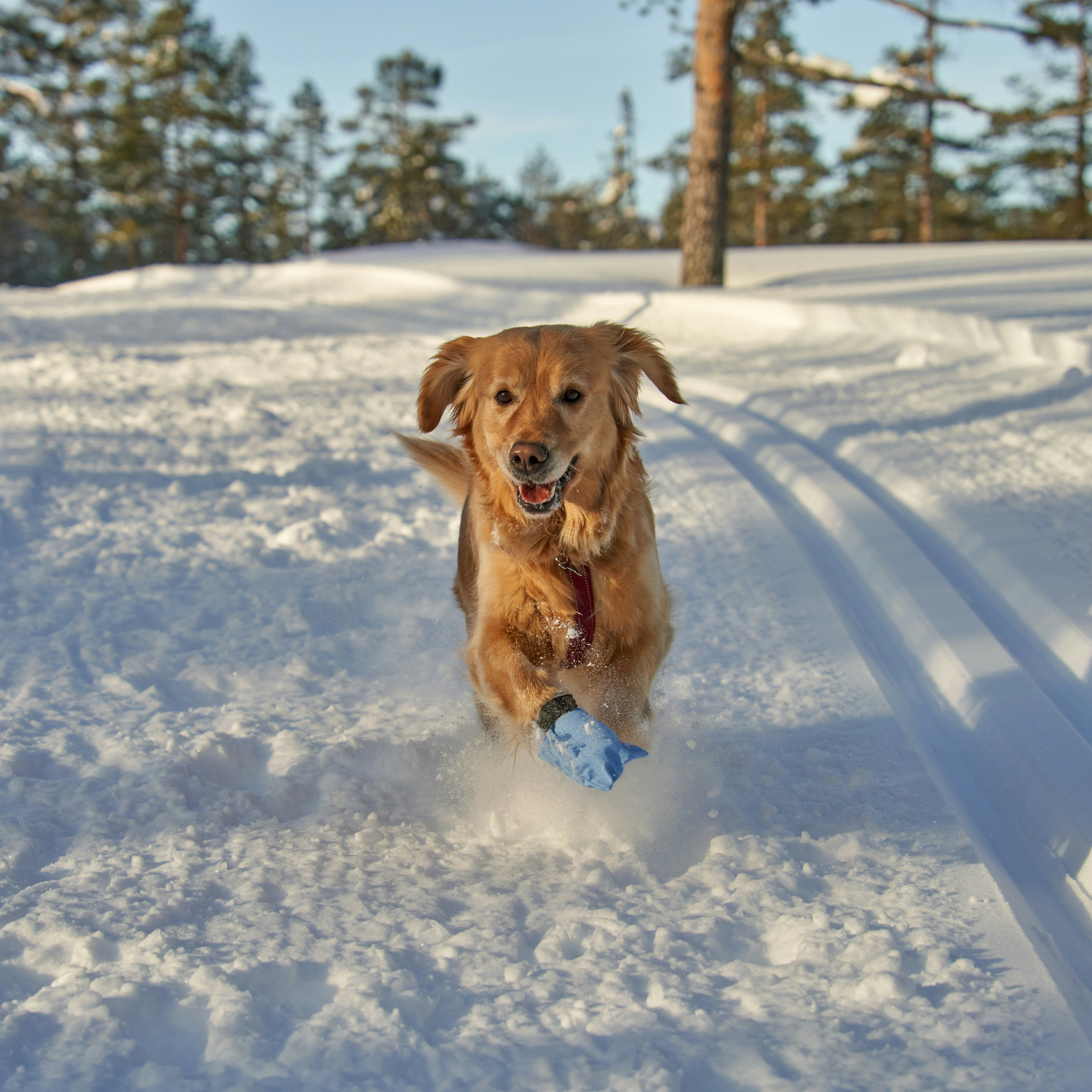
CCL tears, the big one
Cruciate rupture is the most expensive single injury goldens face outside of cancer and hip surgery. Two mechanisms: (1) sudden, the classic yelp during a hard cut or slip, immediate lameness; (2) chronic partial tear, intermittent limping that gradually worsens over weeks. Surgical repair is the standard of care for dogs over 30 lbs: TPLO (tibial plateau leveling osteotomy) is the current gold standard at $4,500–$6,500 with 90%+ return-to-function; TTA and lateral suture are alternatives at similar cost. Post-surgical rehab (8–12 weeks) adds $800–$2,000. Bilateral rupture rates within 18 months of the first tear approach 40%, budget for the possibility.The heat-and-water risks specific to goldens
Goldens are enthusiastic swimmers and water-lovers, which creates two elevated risk profiles: recurrent otitis externa (swimmer's ear) from moisture retention in the ear canal, treatment is straightforward but recurring cases add up to $600–$1,500/year; and 'water intoxication' or hyponatremia from swallowing excessive lake or ocean water during retrieve games, rare but serious, $1,500–$4,000 ER stabilization. On the heat side, goldens are surprisingly heat-sensitive due to double coat and cardiovascular baseline, heat exhaustion is a real risk above 80°F with humidity, especially for the first 60 minutes of exercise.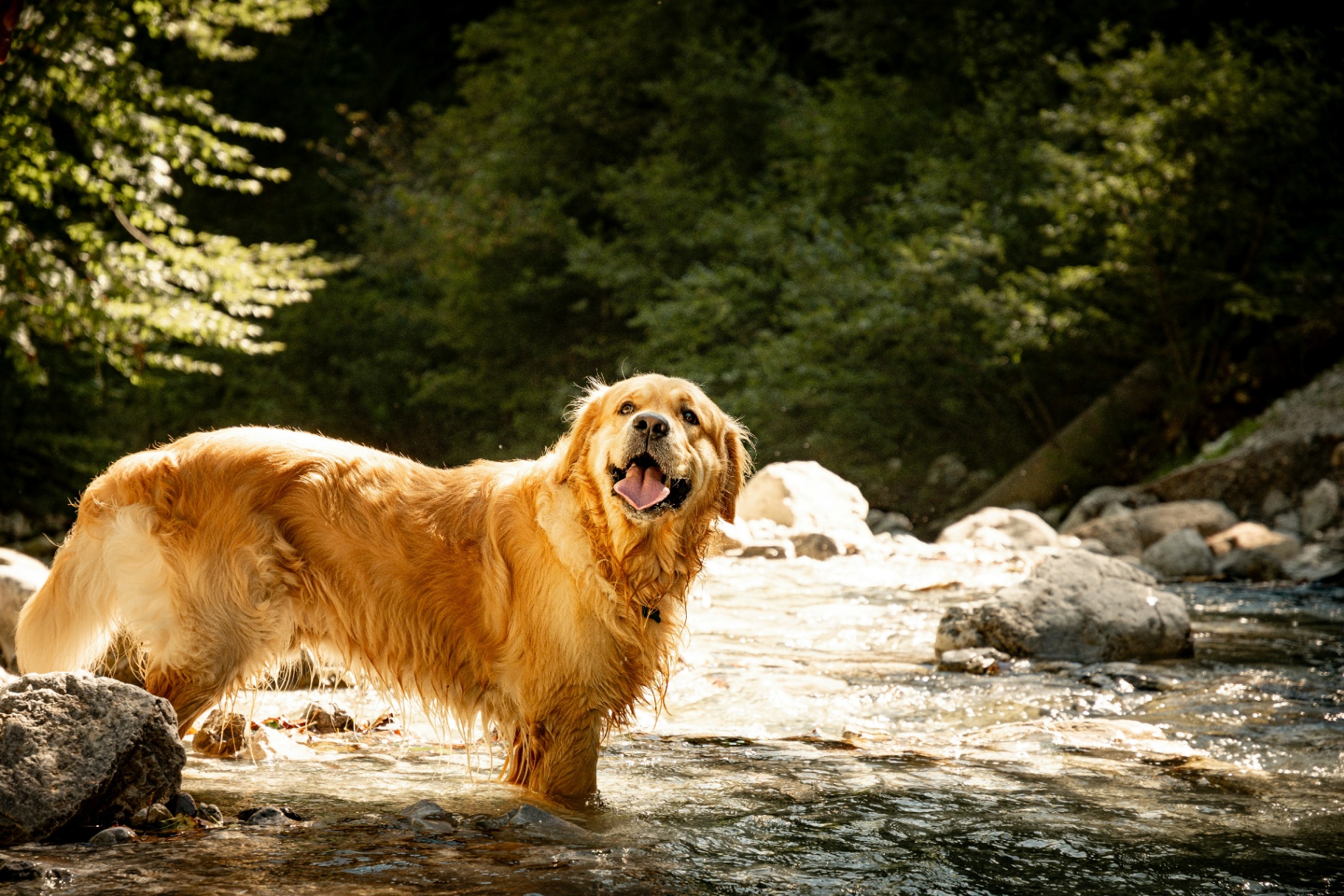
Prevention levers that also reduce insurance claims
Four evidence-based interventions: (1) keep the dog lean, overweight goldens have roughly double the CCL rupture rate; (2) build fitness gradually, most CCL tears happen in weekend-warrior dogs who go from sedentary weekdays to hard weekend hiking or fetch; (3) after swimming, dry ears thoroughly with a vet-recommended drying agent; (4) limit exercise intensity in heat/humidity, the internal temperature curve for a golden climbs much faster than for a shorthaired breed. None reduce your premium directly, but all four measurably reduce the frequency of the highest-cost claims.Warm-up and warm-down: what canine sports med data shows
The American College of Veterinary Sports Medicine and Rehabilitation (ACVSMR) has published clear guidance that most weekend-warrior orthopedic injuries in large-breed dogs are preventable through a 5–10 minute progressive warm-up and warm-down protocol. Their published field data on canine athletes shows injury rates drop 30–50% when handlers implement structured warm-ups before hard fetch, agility, or hiking sessions, mirroring the human sports medicine literature almost exactly.
The practical protocol for a golden: 5 minutes of leash walking building to a light trot, followed by gentle range-of-motion for hips, shoulders, and stifles, then the actual exercise. Post-exercise: 5 minutes of walking to bring heart rate down, then ice for hot joints if the session was intense. This isn't fussy, it's the difference between $60 of insurance premium eaten in premium math and a $6,500 TPLO claim. Combine with the hip coverage guide for growth-plate age gating.
Winter and cold-weather injuries: an underrated category
Goldens read as cold-weather-hardy, the double coat and Newfoundland/Scottish heritage suggest tolerance, but insurer claim data shows a real spike in winter injury categories that owners underestimate. Ice-lacerated paw pads ($200–$600), salt-and-de-icer chemical burns to pads ($300–$900), muscle strain from slipping on ice ($400–$1,200), and hypothermia in wet-cold conditions below 30°F ($800–$3,000 ER stabilization) all cluster November through March in northern states.
Per AVMA cold-weather safety guidance, the practical interventions are basic: paw wax or booties on de-iced surfaces, wipe paws with warm water on return, limit sub-freezing outdoor time to 20–30 minutes for adult dogs (less for puppies and seniors), and never leave a wet golden outside in windchill. These are usually covered under standard accident lines when they do happen, but easier to prevent. State-by-state ER cost breakdowns in our emergency vet guide.
Breed-specific cost drivers for golden retrievers
Every insurance and cost decision for a golden retriever should be filtered through four breed-specific risk factors that underwriters already price in and that owners should plan around when evaluating golden retriever exercise injuries: prevention & coverage:
- Cancer risk near 60% lifetime, the highest of any AKC-registered breed per the Morris Animal Foundation Golden Retriever Lifetime Study. Hemangiosarcoma, lymphoma, mast cell tumors, and osteosarcoma dominate. Treatment courses commonly run $8,000–$15,000, making annual payout caps under $10,000 functionally inadequate for the breed.
- Hip and elbow dysplasia at roughly 20% per OFA screening data. Environmental factors (puppyhood weight, growth-plate-era exercise pattern) modulate the genetic base rate. Surgical treatment ranges from FHO at $3,500 to bilateral total hip replacement at $12,000–$17,000.
- Bloat / GDV risk elevated by deep-chest anatomy, roughly 5% lifetime incidence. Surgical correction plus 3–5 day ICU stay averages $4,000–$8,000 and is nearly always emergency care with no scheduling flexibility.
- Atopic dermatitis and allergies at 2.3× the canine average. Chronic condition with lifelong management cost of $500–$3,000/year in well-controlled cases. The highest-frequency pre-existing exclusion category for the breed when owners delay enrollment.
The value calculation
The break-even point for pet insurance on a golden retriever sits at roughly $850–$1,100 in annual vet spend on a mainstream comprehensive plan. Given the four risk factors above, most goldens cross that break-even line at least twice in a 12-year lifetime, and often generate a single-event claim (cruciate repair, cancer treatment, or hip surgery) that alone exceeds three years of premium. The actuarial math genuinely favors insured owners for this breed, which is why most major carriers applies a breed-loading factor to golden retriever policies rather than declining to cover the breed.
Whichever specific insurance and care decisions you make, run them against the actual claim distribution rather than a hypothetical average: cancer alone accounts for roughly 40% of golden retriever mortality, orthopedic conditions generate the highest claim frequency, and chronic allergies produce the largest number of recurring low-dollar claims. A plan that handles all three well is the baseline; anything less is functionally under-coverage for the breed.
People also ask
How common are cruciate ligament tears in golden retrievers?
Roughly 5% of goldens experience a cruciate tear by age 8 per insurer claim data. Overweight dogs run roughly double that rate. Bilateral rupture within 18 months of the first tear is common.How much does TPLO surgery cost for a golden retriever?
$4,500–$6,500 per knee, plus $800–$2,000 for post-op rehab. Bilateral (both knees) can total $12,000–$15,000. Typically covered by comprehensive insurance once the orthopedic waiting period has passed.Does pet insurance cover cruciate ligament surgery?
Yes on all comprehensive plans when not pre-existing and after the orthopedic waiting period (14 days to 12 months depending on carrier).Can golden retrievers swim safely?
Yes, goldens are natural swimmers and generally very safe. Two things to manage: dry ears thoroughly after swimming to prevent otitis, and avoid excessive water swallowing during long fetch sessions (rare hyponatremia risk).How can I prevent exercise injuries in my golden retriever?
Keep the dog at ideal body weight, build cardiovascular and joint fitness gradually rather than intensively on weekends, provide warm-up before hard exercise, and avoid exercise during peak heat and humidity.Related articles
- Golden Retriever Insurance Cost by Age: Puppy to Senior
- My Golden Retriever Already Limps: Can I Still Get Insurance?
- Best Pet Insurance for a Golden Retriever Puppy (2026)
- Golden Retriever Hip Dysplasia Surgery Cost: The 2026 Reality Check
- The Real Cost of Cancer Treatment for Golden Retrievers: A Founder's Guide
Golden retriever insurance by state
Tools & resources
Legal disclaimer & advertising disclosure
This article is general information, not insurance, veterinary, financial, or legal advice. Costs and reimbursement examples are illustrative estimates, not quotes or guarantees of coverage, and terms vary by insurer, policy, and state. Review your own policy documents before deciding. We are not an insurer or a licensed insurance agency, and our research is non-binding.
Advertising disclosure: some links are affiliate links and we may earn a commission at no cost to you, which never influences our editorial conclusions. See our editorial policy and full disclaimer.